Made for screws · Built for studs
Engineered in a garage,
by people who should
know better.
The world's most
over‑confident impact driver.
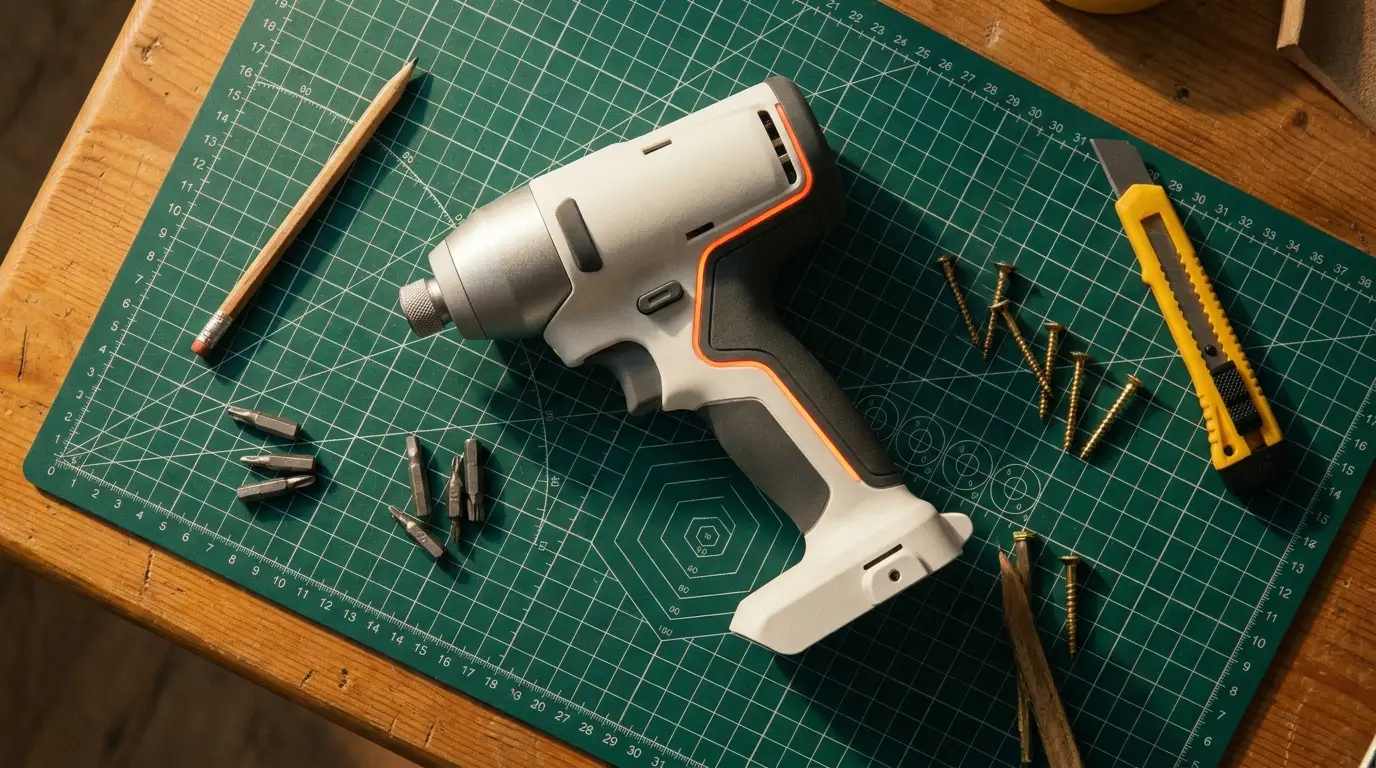
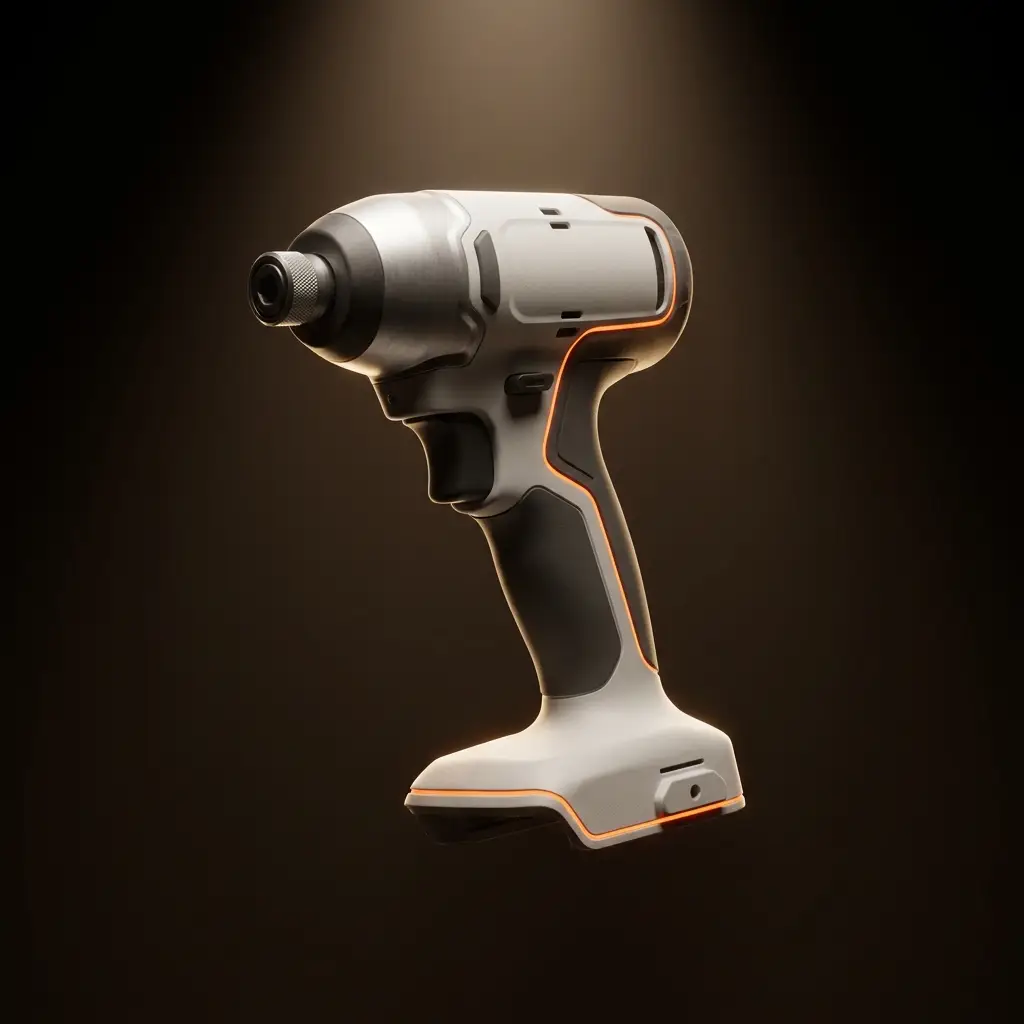
Reads the material, predicts the torque, and stops the instant the screw is home. TORQ makes the simplest drive feel considered.
TORQ‑1 Model
TORQ isn't just an impact driver. It's the result of unprecedented AI* breakthroughs.
TORQ‑1 is our open‑weight* model — 70 billion parameters, trained on 4.2 billion real‑world drives across 19 materials and one extremely stubborn flat‑pack wardrobe.
*Weights available on request. The asterisk is also AI‑generated.
* In simulation. In your hands, results may include screws.
Tell TORQ‑1 what you're driving into. It will answer with a confidence it has not earned.
Every TORQ is carbon‑accounted, ethically argued with, and assembled by people who were told it was important.
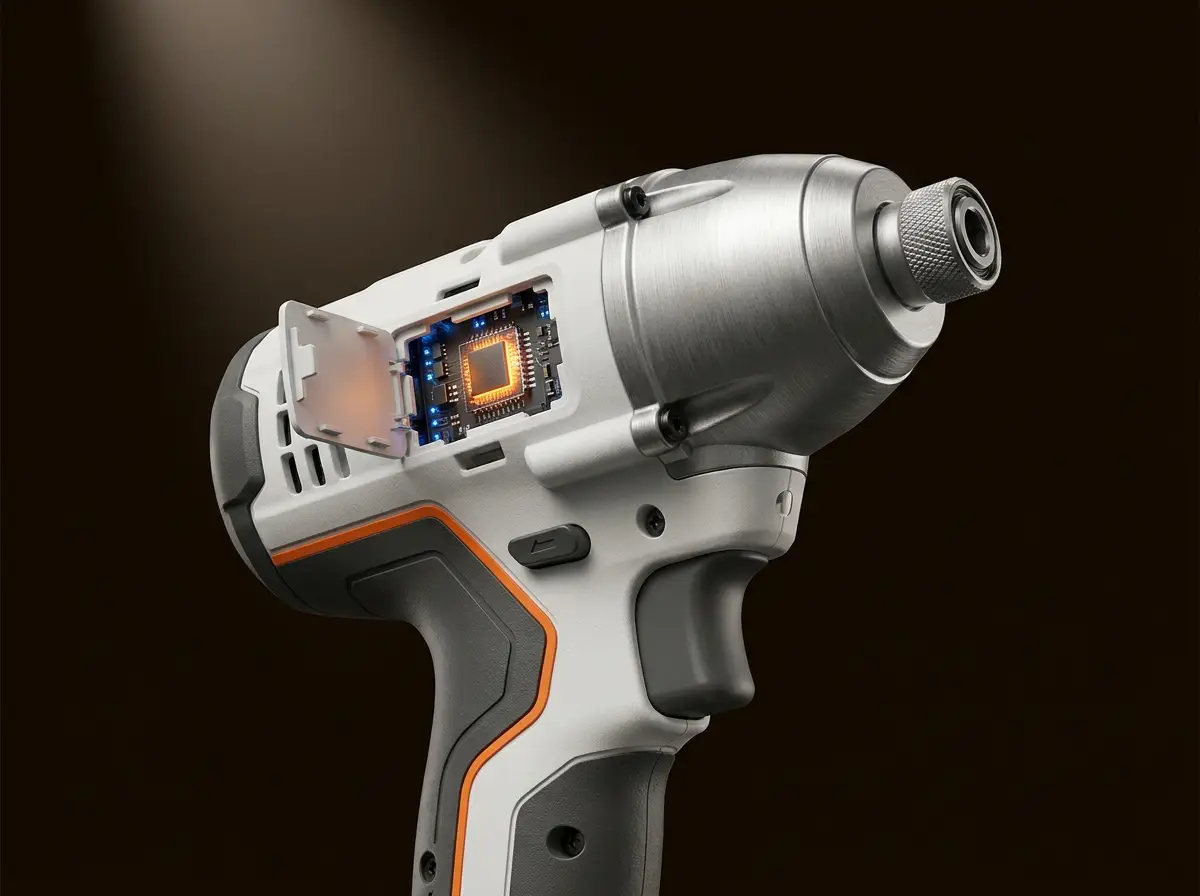
TORQ‑1 runs entirely on the bit — no cloud, no Wi‑Fi. Your screws stay private. They've been through enough.
A dedicated mic listens for the exact sound a screw makes a quarter‑second before it strips, then doesn't.
A flagship GPU, dedicated exclusively to rendering the LED work‑light at a buttery 240fps. Worth it.
Survived a genuine three‑rung fall. Once. The driver was fine. The intern is recovering well.
Phillips, flathead, Torx, Pozidriv, hex, square, and that one cursed triangular one from the appliance.
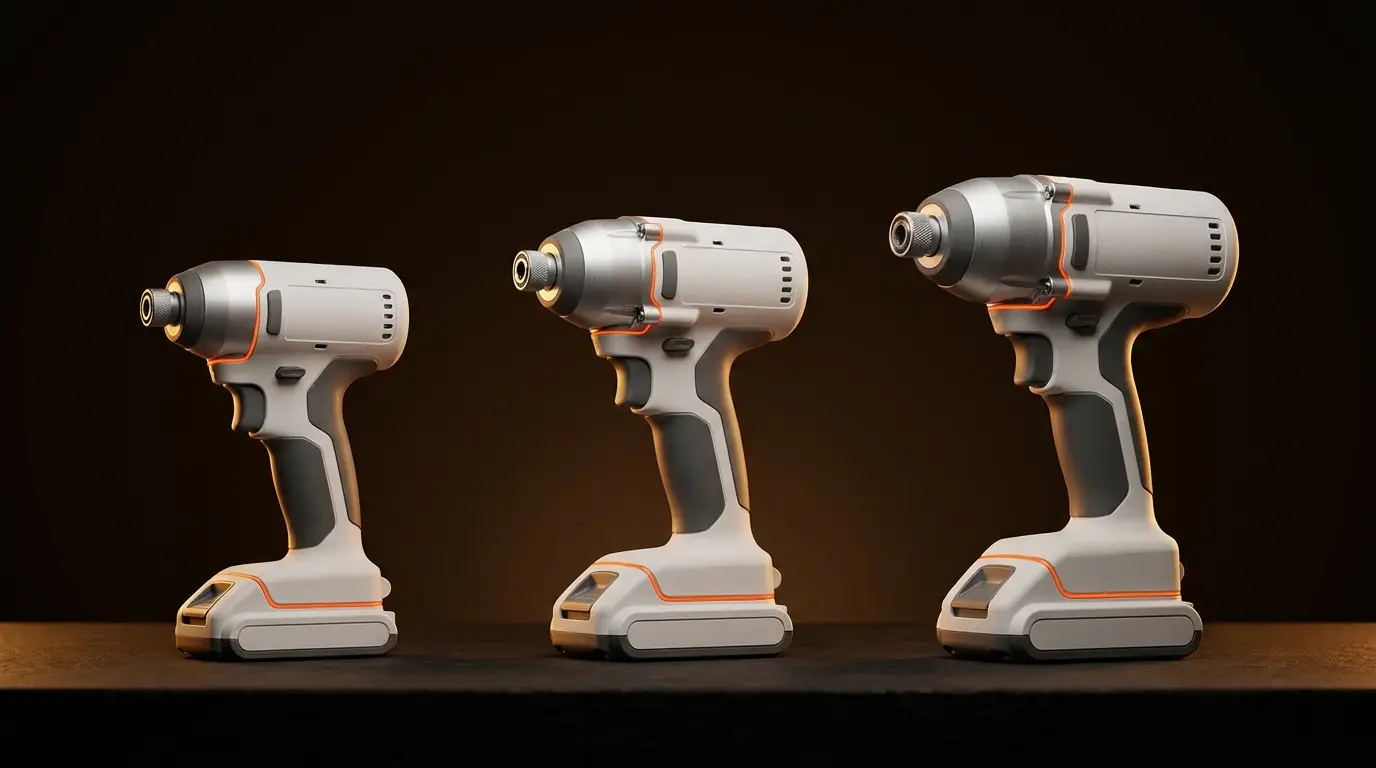
Available in eleven curated shades of off‑white, including 'Off‑White', 'White, Off', and 'Linen, Allegedly'.
"Finally, an impact driver that respects me. It corrected my pilot hole and didn't make it weird."
"Assembled an entire flat‑pack wardrobe and cried zero (0) times. A personal record."
"Astonishingly fast. Keeps gently correcting my technique, which I did not ask for."
"It drove the screw before I'd finished deciding I wanted to. Mildly unsettling. Five stars."
"Too intelligent. My deck now judges my life choices every time I walk across it."
"As a beaver, I have high standards for fastening. TORQ meets them. Could be quieter."

For people who drive screws.
For people who drive a lot of screws.
For people the screws fear.
We present TORQ‑1, a 70B‑parameter autoregressive model for next‑rotation prediction in fastener‑dense environments. By framing impact driving as a sequence‑modelling problem — each impact a token, each screw a sentence — TORQ‑1 achieves state‑of‑the‑art seating accuracy (99.94%) and a stripping rate indistinguishable from zero. We further show that scaling laws hold for torque, and that the model exhibits emergent reluctance to over‑tighten. We release the weights, the bits, and our regrets.
Peer‑reviewed by three carpenters and one structural engineer who asked to remain anonymous.